How Artificial Intelligence Is Transforming Industries
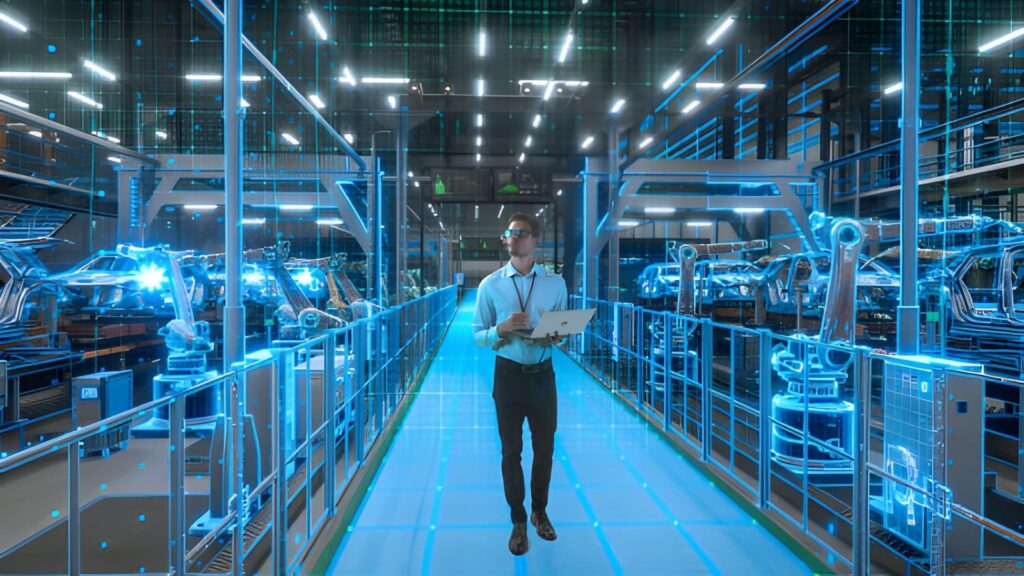
Artificial intelligence (AI) is no longer a concept found only in science fiction. It has become a part of everyday life, quietly influencing how people work, shop, communicate, and make decisions. From personalized recommendations on streaming platforms to smart assistants that answer questions instantly, AI is changing the way the world operates. More importantly, it is transforming industries by improving efficiency, reducing costs, and opening new possibilities for O8 innovation. As businesses continue to adopt AI technologies , understanding its impact has become essential for both professionals and consumers.
What Is Artificial Intelligence?
Artificial intelligence refers to computer systems that can perform tasks that normally require human intelligence. These tasks include learning from data, recognizing patterns, understanding language, solving problems, and making predictions. Unlike traditional software that follows fixed instructions, AI systems improve over time by analyzing large amounts of information and identifying trends.
Today, AI powers everything from voice assistants and recommendation engines to advanced medical equipment and automated customer support systems. Its ability to process information quickly makes it valuable across countless industries.
Transforming the Healthcare Industry
Healthcare is one of the sectors benefiting the most from artificial intelligence. AI helps doctors analyze medical images, identify diseases earlier, and recommend treatment options based on patient data. Faster and more accurate diagnoses allow healthcare professionals to provide better care and improve patient outcomes.
Hospitals also use AI to manage appointments, organize medical records, and predict patient needs. Wearable health devices powered by intelligent algorithms can monitor heart rate, sleep quality, and physical activity, helping individuals maintain healthier lifestyles and detect potential health issues sooner.
Changing the Business World
Businesses are using AI to improve productivity and enhance customer experiences. Intelligent software can analyze customer preferences, predict buying behavior, and recommend products that match individual interests. This helps companies provide more personalized services while increasing customer satisfaction.
AI also automates repetitive tasks such as data entry, scheduling, and inventory management. Employees can spend less time on routine work and focus on creativity, problem-solving, and strategic planning. As a result, businesses become more efficient and competitive.
Revolutionizing Education
Education has become more personalized through artificial intelligence. AI-powered learning platforms adapt lessons based on each student’s strengths, weaknesses, and learning pace. Instead of following a one-size-fits-all approach, students receive customized educational experiences that improve understanding and engagement.
Teachers also benefit from AI by using automated grading systems, digital learning resources, and classroom management tools. These technologies reduce administrative workloads, allowing educators to focus more on teaching and supporting students.
Improving Manufacturing and Production
Manufacturing industries have embraced AI to improve quality, efficiency, and safety. Smart machines can monitor production lines, identify defects, and predict equipment failures before they occur. Preventive maintenance reduces downtime and helps businesses save money by avoiding costly repairs.
Robotics powered by artificial intelligence also perform repetitive and physically demanding tasks with high precision. Human workers can then concentrate on supervision, innovation, and complex decision-making rather than routine manual labor.
Enhancing Financial Services
Banks and financial institutions rely on AI to improve security and customer service. Intelligent systems detect unusual transactions that may indicate fraud, helping protect customers from financial crimes. AI also assists with credit assessments, investment analysis, and personalized financial advice.
Many banks now use virtual assistants and chatbots to answer customer questions around the clock. This improves service while reducing waiting times and operational costs.
Transforming Transportation
Artificial intelligence is changing transportation through smarter navigation systems, traffic management, and vehicle safety features. Navigation apps use AI to analyze traffic conditions and recommend the fastest routes. Advanced driver assistance systems help reduce accidents by monitoring road conditions and alerting drivers to potential hazards.
Self-driving vehicle technology continues to develop, promising safer and more efficient transportation in the future. Although widespread adoption will take time, AI is already improving how people travel today.
Challenges and Ethical Considerations
Despite its many advantages, artificial intelligence also presents challenges. Privacy concerns, cybersecurity risks, and ethical questions about data usage require careful attention. Businesses and governments must ensure AI systems are transparent, secure, and used responsibly.
Another concern is the changing job market. While AI automates certain tasks, it also creates demand for new skills and careers. Continuous learning and adaptability will help individuals remain valuable in an increasingly technology-driven economy.
Preparing for an AI-Driven Future
Artificial intelligence will continue shaping industries for years to come. Rather than viewing it as a replacement for human talent, it should be seen as a tool that enhances human capabilities. People who develop digital skills, embrace lifelong learning, and remain open to technological change will be better prepared for future opportunities.
Organizations that combine AI with human creativity, critical thinking, and emotional intelligence are likely to achieve the greatest success in the years ahead.
Conclusion
Artificial intelligence is transforming industries by improving efficiency, enhancing decision-making, and creating innovative solutions across healthcare, education, business, finance, manufacturing, and transportation. While challenges such as privacy, ethics, and workforce adaptation remain important, the overall impact of AI is driving remarkable progress. As technology continues to evolve, embracing artificia l intelligence responsibly will help O8 COM individuals, businesses, and societies unlock new opportunities while building a smarter, more connected, and more productive future.